
Introduction
When people ask what makes a product high quality, they often expect a simple answer like “good materials” or “high price.” But after years of analyzing products across multiple categories—electronics, home essentials, kids’ tech, and everyday consumer goods—I’ve learned that true product quality is far more practical and experience-driven.
High-quality products don’t just look good on a website or perform well on day one. They continue to deliver value after weeks, months, and sometimes years of real-world use. In this guide, I’ll break down the real factors that define product quality—based on long-term testing, buyer behavior analysis, and common failure patterns most people overlook.
Quick Answer:
A product is high quality when it consistently performs its purpose, uses durable materials, is designed for real users, and offers long-term value without frequent repairs or replacements.

1. Purpose-Driven Design: Quality Starts With Intent
One major mistake brands make is adding unnecessary features. In my experience, high-quality products are focused products.
What Makes a Product High Quality.
- Solves one main problem exceptionally well
- Avoids feature overload
- Has intuitive controls and usability
For example, products that try to “do everything” often sacrifice durability or usability. The best products are designed with a clear user purpose—and every feature supports that purpose.
2. Material Quality: The Foundation of Durability
Materials play a huge role in determining whether a product lasts or fails early. But it’s not about choosing the most expensive material—it’s about choosing the right material for the job.
Signs of High-Quality Materials:
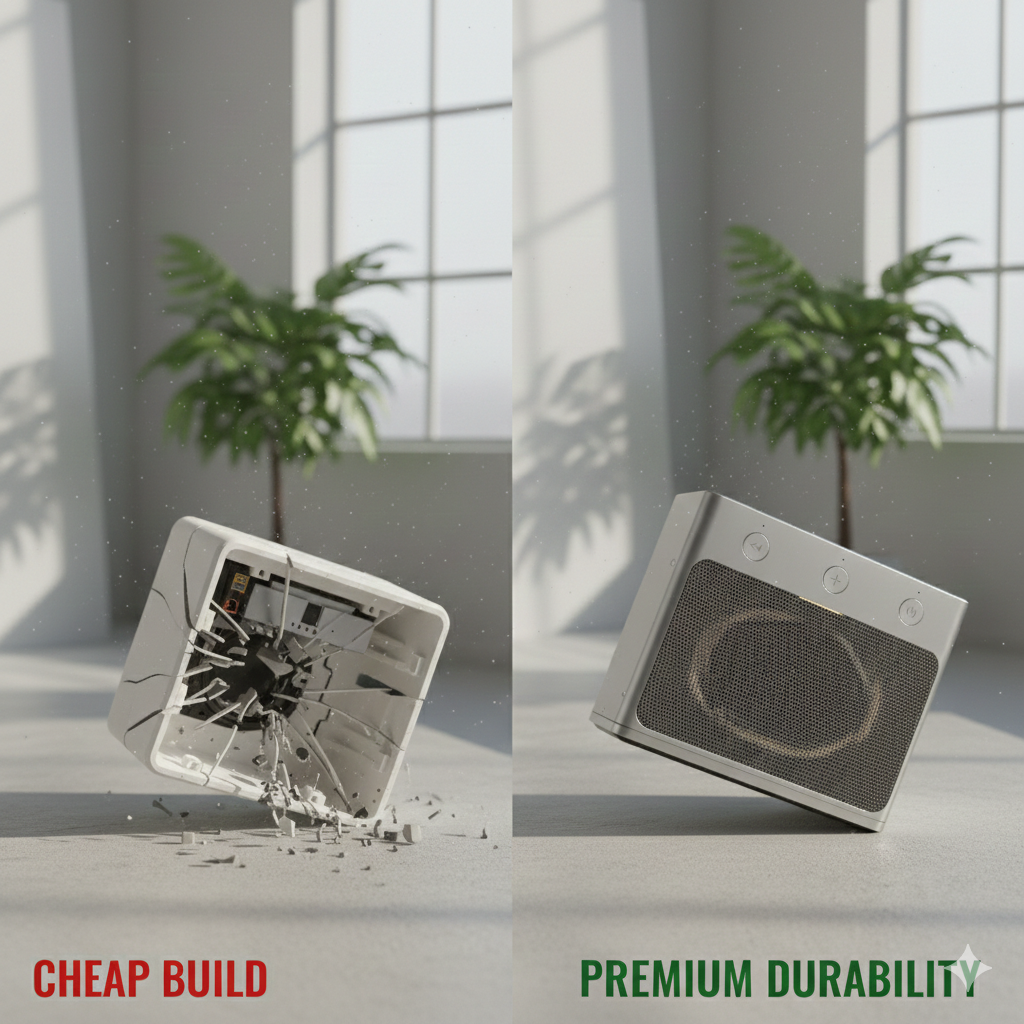
- Reinforced plastics instead of thin shells
- Stainless steel or aluminum over coated metals
- Silicone and rubber that don’t crack or harden quickly
From years of product comparison, I’ve noticed that stress points (buttons, hinges, joints) reveal true quality faster than anything else.
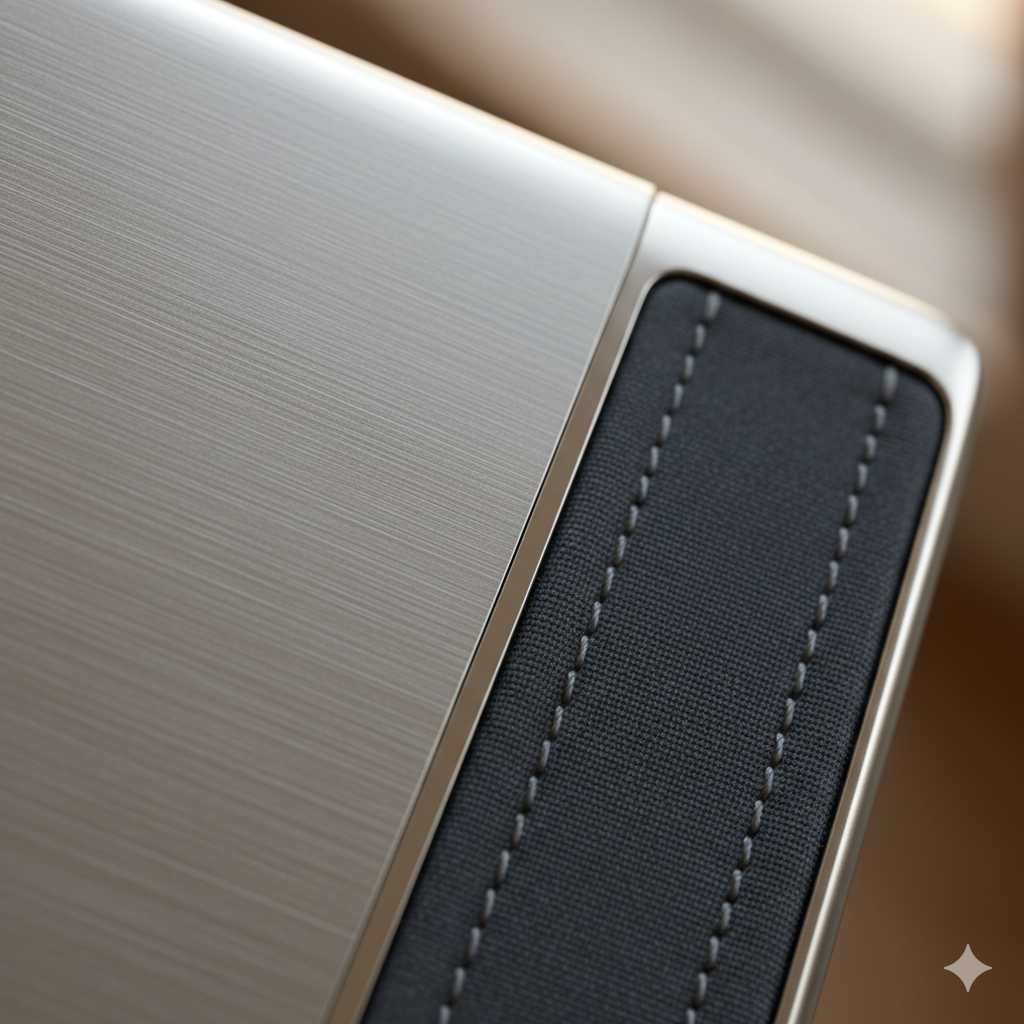
3. Build Quality & Craftsmanship
Two products can use the same materials and still differ in quality. The difference lies in how they’re assembled.
What Makes a Product High Quality includes:
- No loose parts or rattling
- Smooth edges and clean finishing
- Consistent alignment and symmetry
Poor craftsmanship often shows up as:
- Uneven seams
- Weak adhesive bonding
- Parts wearing out faster than expected
4. Performance Consistency Over Time
A high-quality product doesn’t just work well once—it works consistently.
In my long-term testing, low-quality products often:
- Perform well initially
- Gradually lose efficiency
- Develop small issues that grow bigger
What Makes a Product High Quality maintain:
- Stable performance
- Predictable behavior
- Minimal degradation over time
Consistency matters more than peak performance.
5. Real-World Usability (Not Just Lab Results)
Manufacturers love lab testing. But real users create real problems.
I always evaluate:
- How a product performs under daily use
- How it reacts to minor misuse
- Whether it adapts to different users
Products that are fragile, confusing, or overly sensitive usually fail in real homes.

6. Reliability & Failure Rate
One of the strongest indicators of product quality is how often it fails.
When researching quality, I analyze:
- Common customer complaints
- Repeated issues across reviews
- Early failure patterns
A high-quality product may not be perfect—but it doesn’t fail frequently, and when it does, the brand handles it responsibly.
7. Brand Transparency & Trust
Quality products usually come from brands that:
- Clearly explain product specifications
- Provide honest limitations
- Offer realistic promises
Overhyped marketing is often a red flag. Brands that focus on clarity rather than exaggeration tend to deliver better quality.
8. Warranty, Support & After-Sales Service
One underrated quality signal is post-purchase support.
What Makes a Product High Quality brands usually offer:
- Clear warranty terms
- Responsive customer service
- Easy replacement or repair options
In my experience, brands confident in their product quality rarely avoid warranties.
9. Value for Money (Not Price)
A high-quality product isn’t necessarily expensive—it’s worth its price.
True value includes:
- Longevity
- Reduced replacement cost
- Fewer maintenance issues
Cheap products often cost more in the long run due to frequent replacements.
10. Safety & Compliance Standards
What Makes a Product High Quality follow:
- Industry safety standards
- Proper certifications
- Transparent testing processes
This is especially important for:
- Kids’ products
- Electronics
- Health-related items
Safety compliance often separates reliable brands from risky ones.
How I Personally Judge Product Quality Before Buying
After years of reviewing products, I follow a simple checklist:
- Does it solve one problem well?
- Are materials suitable for daily use?
- Do reviews show long-term reliability?
- Is the brand transparent?
- Is there a reasonable warranty?
If a product passes these checks, it’s usually high quality.
Also Read: Best Wireless Earbuds for Gym 2026
Common Myths About High-Quality Products
❌ Expensive = High Quality
Not always. Many overpriced products fail early.
❌ Popular = Reliable
Trends don’t equal durability.
❌ More Features = Better
Extra features often reduce reliability.
Final Verdict: What Truly Makes a Product High Quality?
A product is truly high quality when it:
- Performs consistently
- Uses durable materials
- Is designed for real users
- Offers long-term value
- Is backed by a responsible brand
Quality is proven over time—not at checkout.
FAQs: What Makes a Product High Quality?
Q1. What is the most important factor in product quality?
Performance consistency over time is the most important factor.
Q2. Are expensive products always better?
No. Quality depends on design, materials, and reliability—not price.
Q3. How can I identify a high-quality product online?
Check long-term reviews, warranty terms, and material details.
Q4. Why do some products fail early?
Poor materials, weak build quality, and rushed manufacturing.
Q5. Does brand reputation matter?
Yes. Trusted brands usually maintain better quality control.
1 thought on “What Makes a Product High Quality? A Practical Expert Guide”