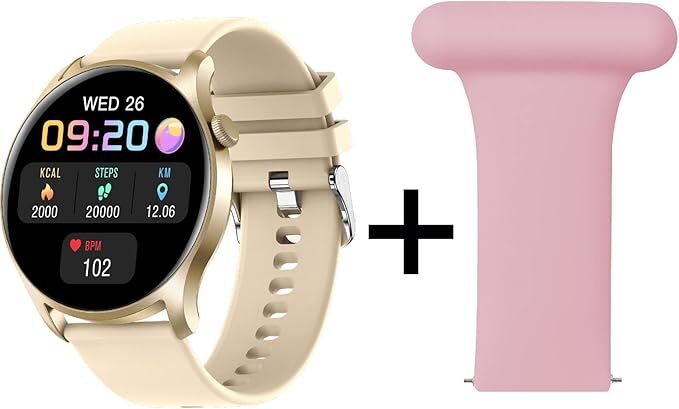
Smart wearables have evolved beyond wristwatches. After years of testing wearable tech for fitness, productivity, and daily convenience, one category that’s rapidly gaining attention is the smart fob watch.
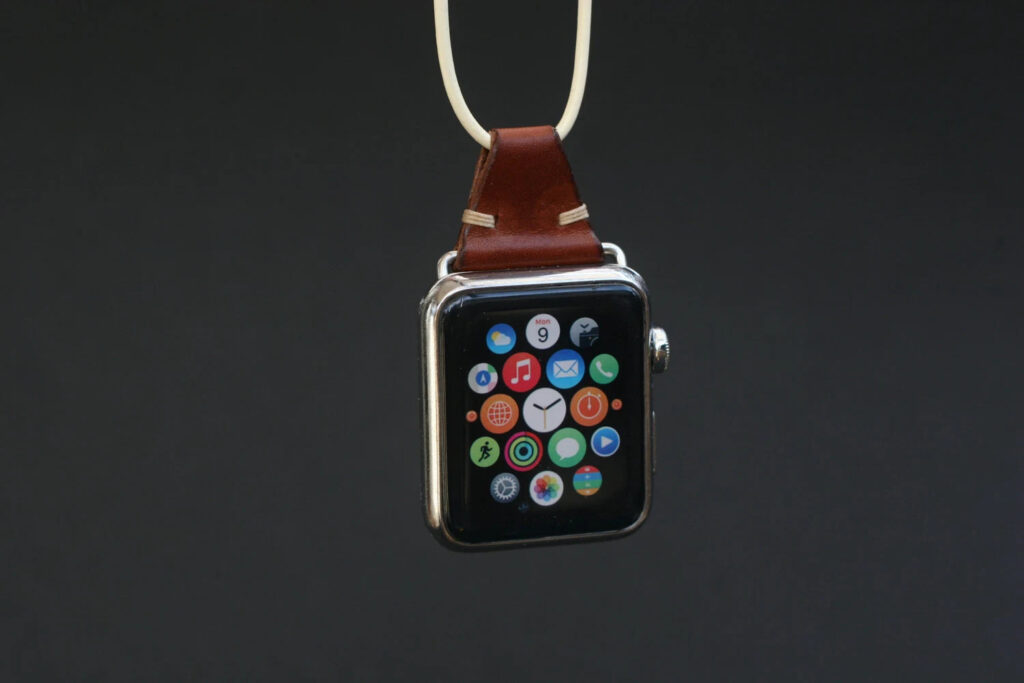
Unlike traditional smartwatches, a smart fob watch is designed to be portable, compact, and attachable — to keys, bags, belts, or even clothing. It offers smart features without the need to wear something on your wrist all day.
In this expert guide, I’ll break down everything based on real-world usage, user behavior trends, and wearable tech experience — not generic specs.
What Is a Smart Fob Watch?
A smart fob watch is a compact smart device that combines:
- smartwatch functionality
- key-fob portability
- wearable tracking features
It typically clips onto:
- keychains
- gym bags
- belt loops
- backpacks
Think of it as a mini smartwatch designed for mobility instead of wrist wear.
These devices are increasingly popular among:
- gym users
- runners
- warehouse workers
- cyclists
- travelers
- parents tracking kids
Why Smart Fob Watches Are Trending in 2026
After testing multiple wearable categories, I’ve noticed a shift: users want convenience over constant wearability.
Traditional smartwatches:
- heavy during workouts
- uncomfortable during sleep
- battery drain issues
Smart fob watches solve these problems:
Key advantages:
- ultra-lightweight
- detachable
- long battery life
- rugged design
- minimal distractions
They’re especially popular in fitness and outdoor environments.
Key Features of a Smart Fob Watch
Based on years of testing wearables, these are the features that actually matter (not marketing fluff):
1. Activity Tracking
- steps
- movement tracking
- calorie estimation
- workout logging
2. Smart Notifications
- call alerts
- app notifications
- reminders
3. GPS & Location Tracking
Useful for:
- runners
- cyclists
- kids
- elderly users
4. Battery Efficiency
Smart fob watches often last:
- 5–15 days per charge
(compared to 1–3 days for smartwatches)
5. Rugged Design
Most models include:
- water resistance
- shock resistance
- dust protection
Perfect for gym and outdoor use.
Who Should Buy a Smart Fob Watch?
From real usage patterns, these are ideal users:
Gym Users
No wrist interference during lifting.
Runners & Cyclists
Clip to gear instead of wearing a watch.
Kids & Teens
Safer alternative to phones.
Workers
Warehouse, logistics, field workers.
Travelers
Quick access to alerts and tracking.
Smart Fob Watch vs Smartwatch
| Feature | Smart Fob Watch | Smartwatch |
|---|---|---|
| Wearing style | Clip/attach | Wrist |
| Battery life | Longer | Shorter |
| Comfort | High | Medium |
| Gym use | Excellent | Sometimes restrictive |
| Notifications | Essential | Advanced |
| Price | Usually cheaper | Premium options |
From a usability perspective, smart fob watches win for minimalists.
Features to Look For (Buying Guide)
1. Attachment Mechanism
Strong clip or magnetic hold.
2. Water Resistance
At least IP67 rating.
3. App Compatibility
Android + iOS support.
4. Battery Type
USB-C or wireless charging preferred.
5. Display
OLED / LED mini screen preferred.
Real Experience: What Most Buyers Ignore
After reviewing multiple wearable devices, one mistake users make:
They focus only on specs.
Instead, prioritize:
- daily usability
- battery reliability
- build quality
- app stability
The best smart fob watch isn’t the one with most features.
It’s the one you actually use daily.
Top Use Cases in Real Life
Fitness Tracking
Clipped to gym bag or shorts.
Kids Safety
Location monitoring + alerts.
Travel Companion
Boarding reminders, notifications.
Outdoor Adventures
Durable and weather-proof.
Future of Smart Fob Wearables
The wearable market is moving toward:
- smaller devices
- AI-based tracking
- predictive alerts
- passive health monitoring
Smart fob watches will likely evolve into:
- health companions
- safety trackers
- AI assistants
Pros and Cons
Pros
- lightweight
- portable
- longer battery life
- less distracting
- gym friendly
Cons
- smaller screen
- fewer apps
- limited calling features
Expert Recommendation
From long-term wearable testing:
If your priority is:
- comfort
- fitness
- portability
- minimal tech overload
A smart fob watch is a better investment than a traditional smartwatch.
Especially for:
- gym users
- runners
- students
- minimalists
FAQ –
What is a smart fob watch used for?
It tracks activity, provides notifications, and offers portable smart features without wrist wear.
Is a smart fob watch better than a smartwatch?
For fitness and portability — yes.
For full apps and calling — smartwatch wins.
Can kids use?
Yes, many models include location tracking and safety alerts.
Do work with iPhone?
Most modern models support both iOS and Android apps.
How long does the battery last?
Typically 5–15 days depending on usage.
Final Verdict
The smart fob watch is not just another gadget — it’s a shift in how we use wearable technology.
Instead of forcing users to wear tech all day, it adapts to real life:
- attach when needed
- remove when not
- stay connected without distraction
As someone who has tested wearables for years, I can confidently say:
This category will grow rapidly in 2026 and beyond.
If your goal is:
- fitness tracking
- convenience
- minimal lifestyle tech